



Songhees Park
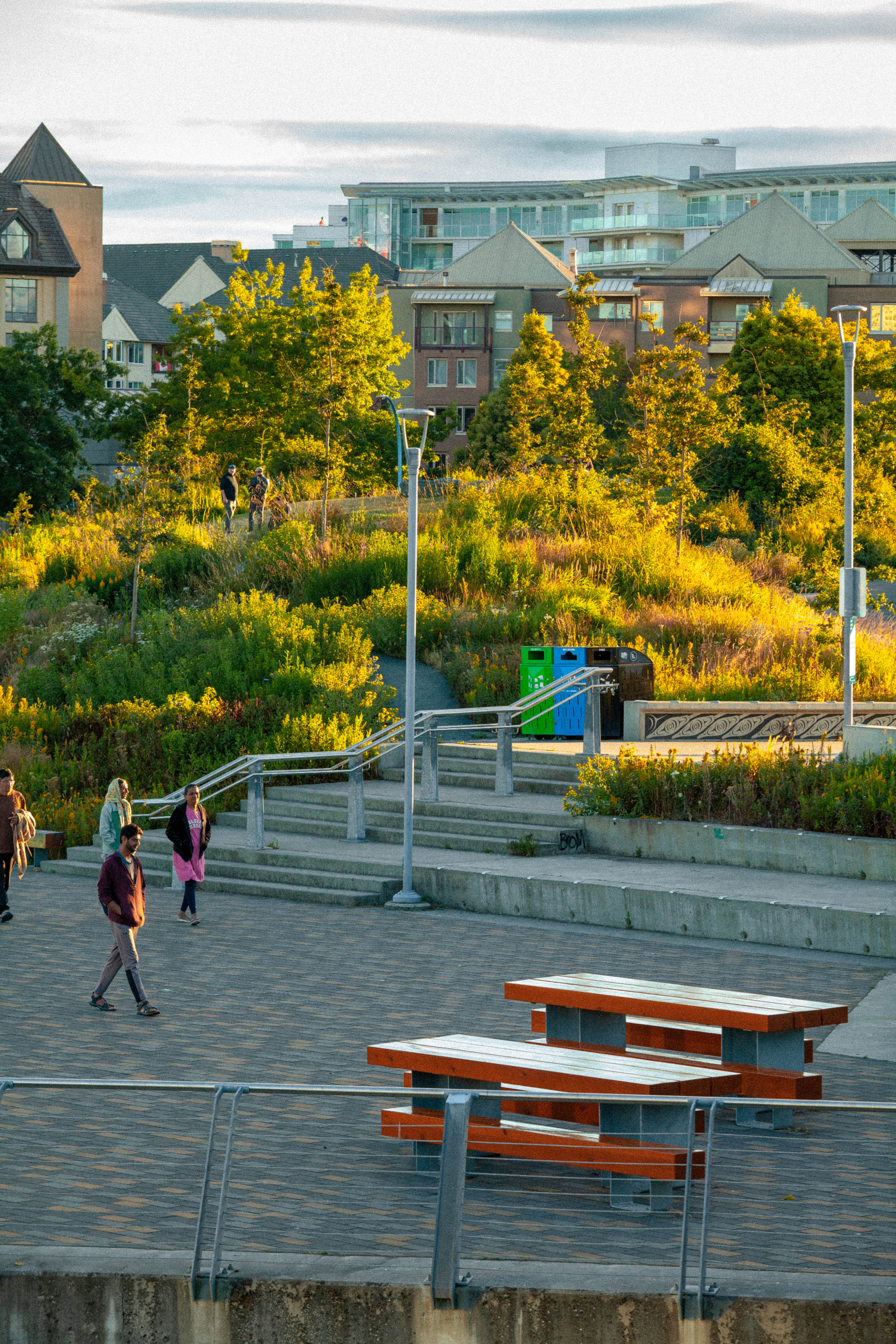
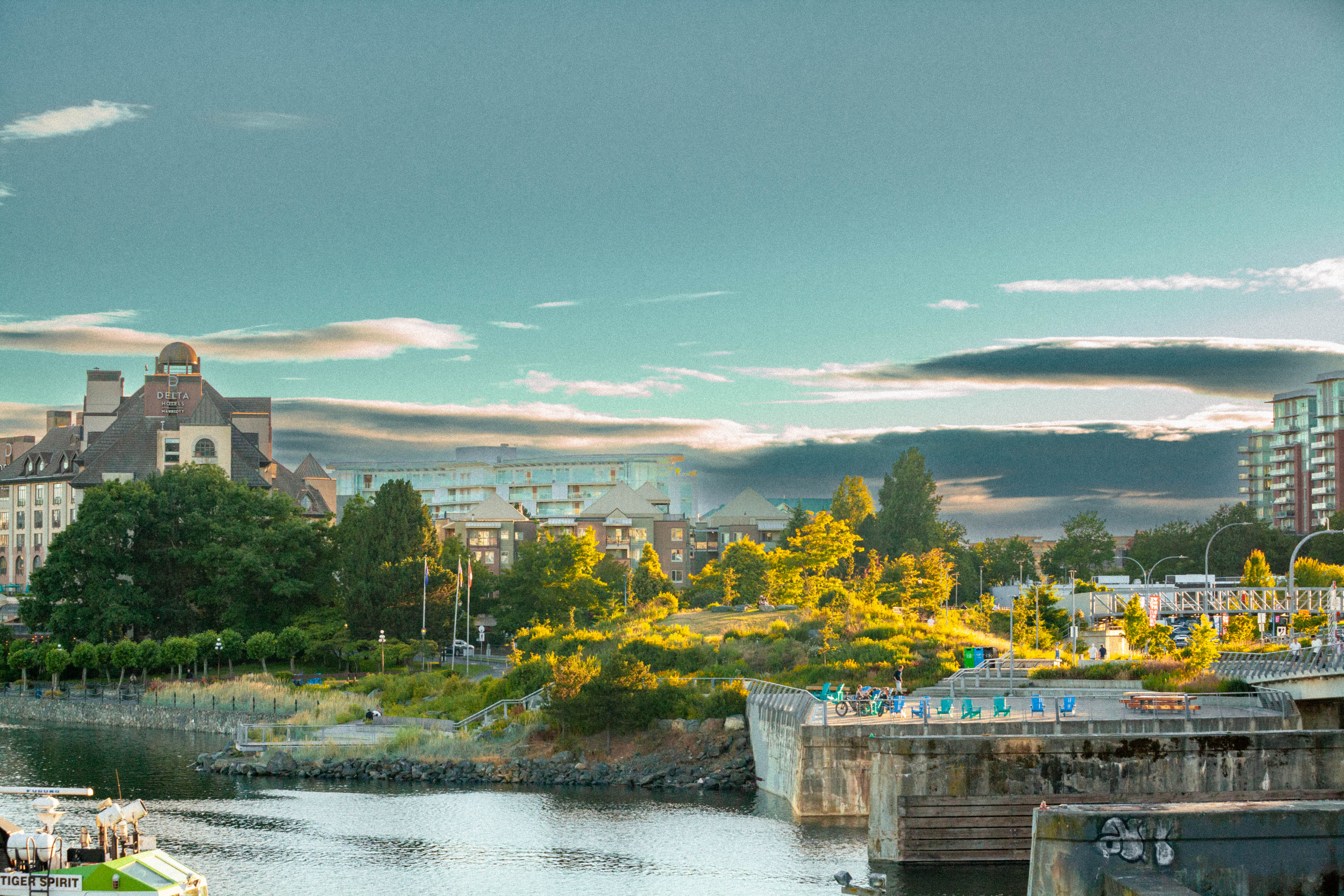
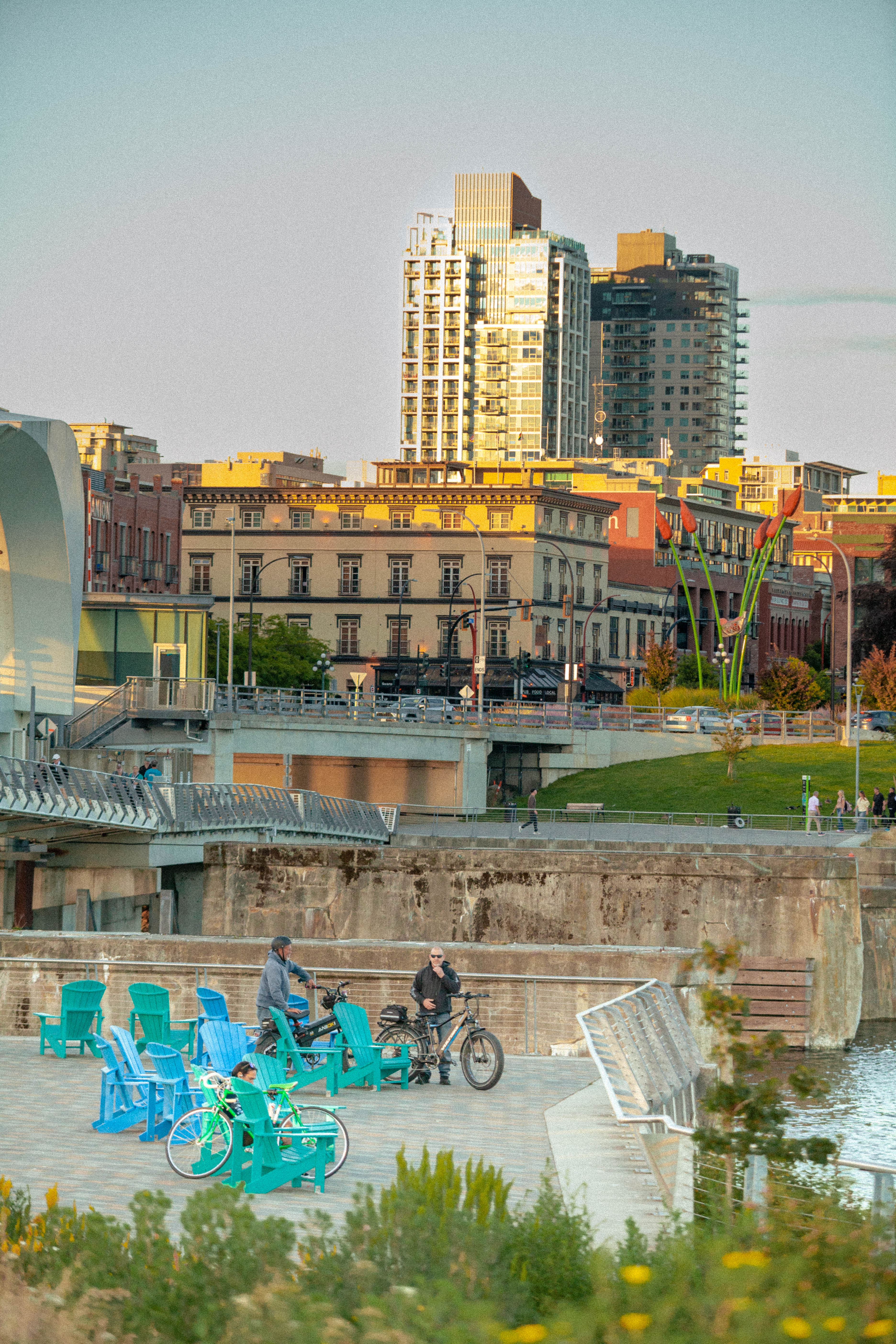
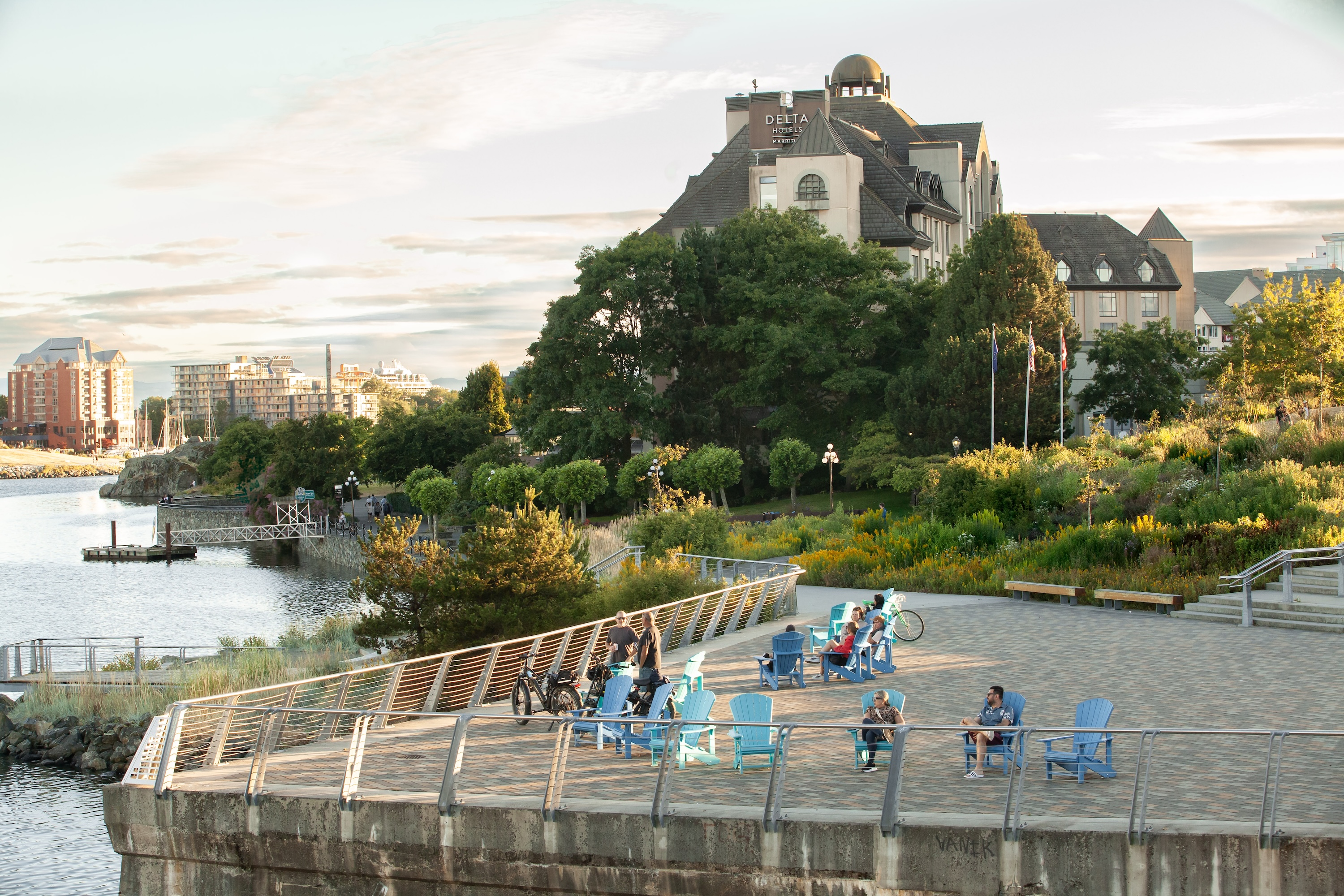
The expansion of Songhees Park transforms a former roadway into 0.76 hectares of hillside greenspace along Victoria’s Inner Harbour. Developed by the City of Victoria in partnership with the Songhees Nation, the park strengthens a key waterfront connection while creating places to gather, rest, move, and experience Lekwungen art, culture, and views across the harbour.
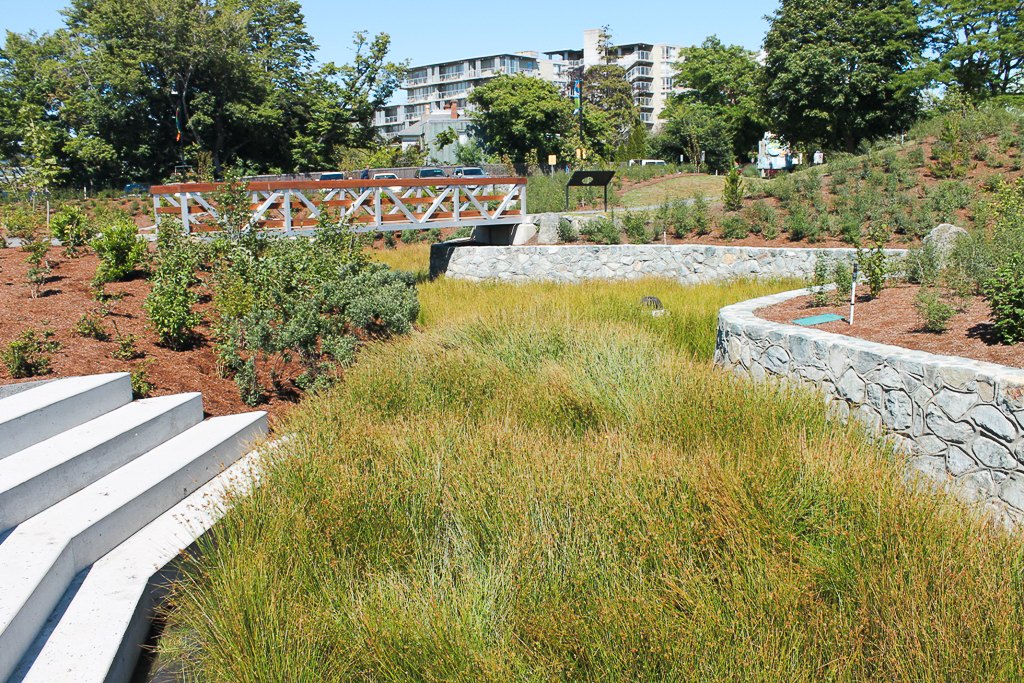
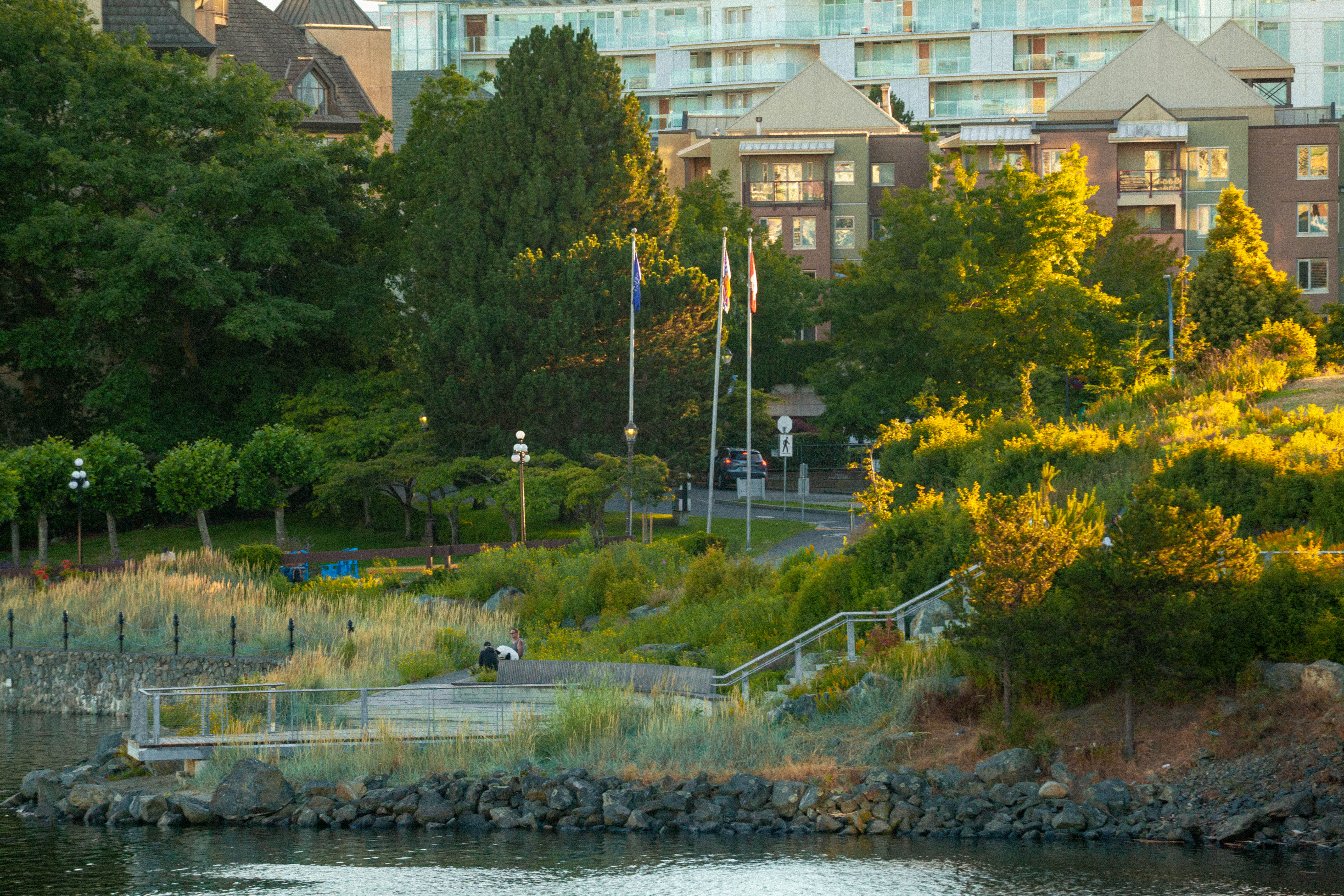
MDI’s landscape work draws on the ecology of the shoreline through a Garry oak maritime meadow, coastal bluff gardens, native planting, rain gardens, and permeable surfaces. Fifty-five new trees and 55 species of indigenous plants add food and shelter for pollinators and wildlife while giving the park a distinct seasonal character.
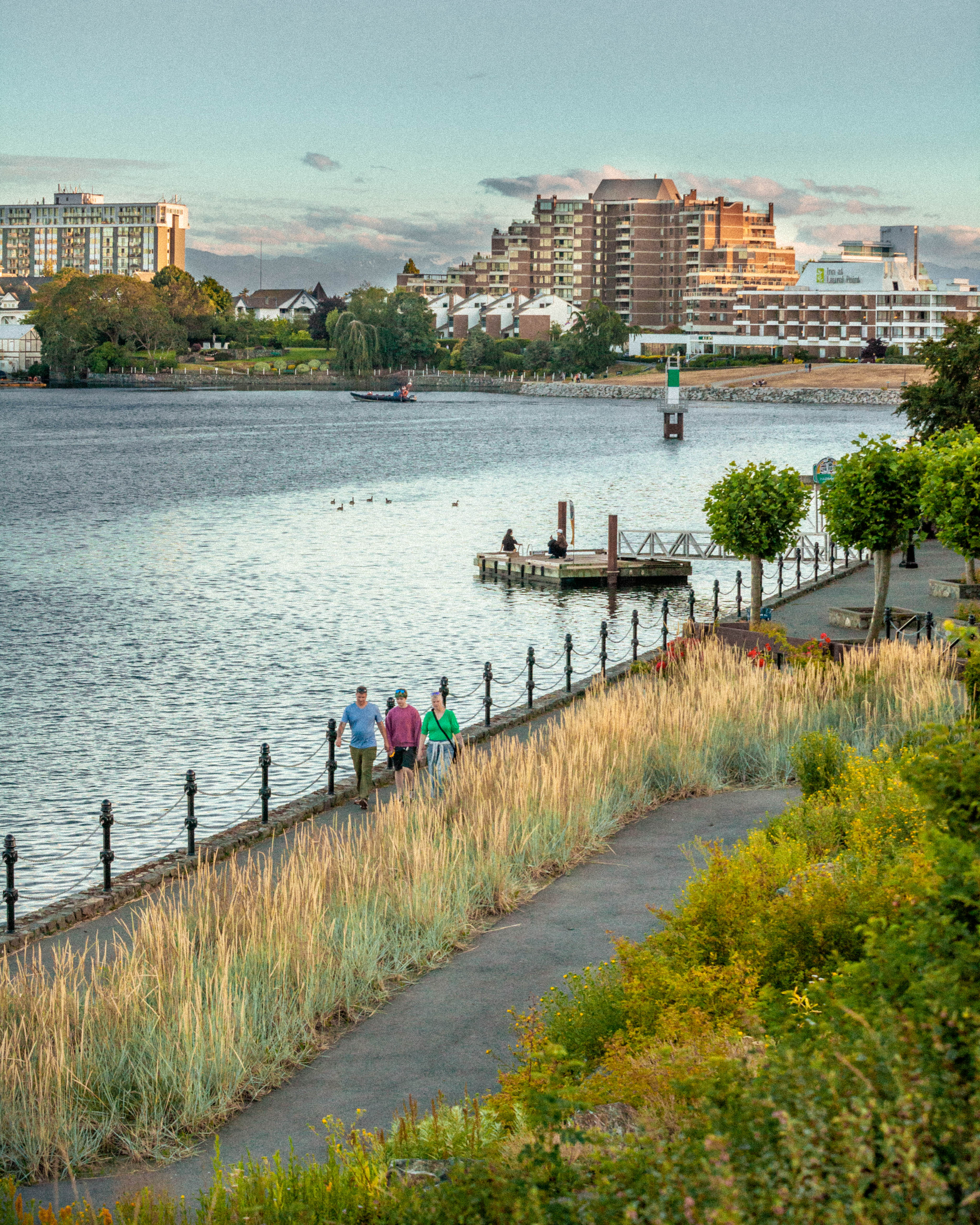
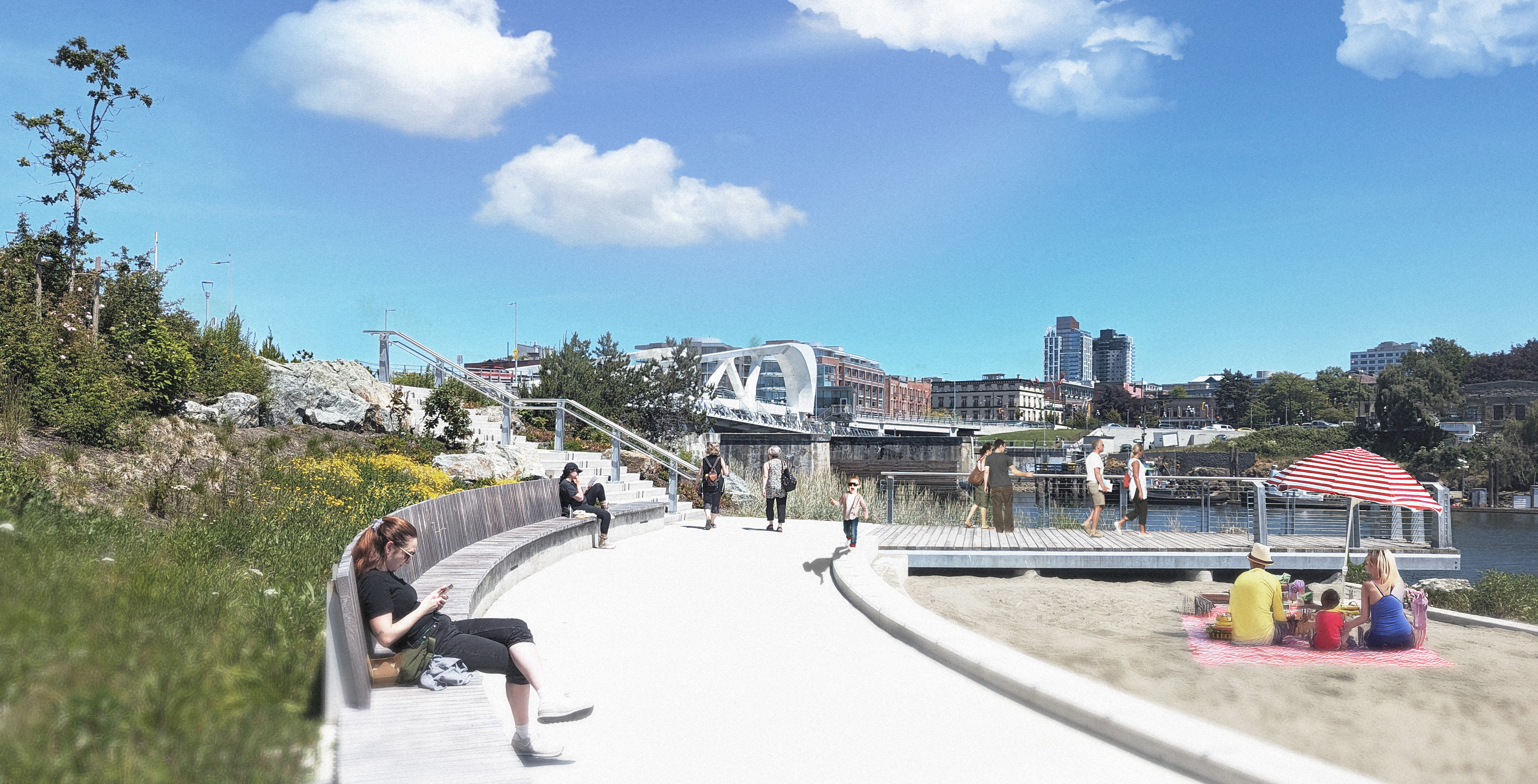
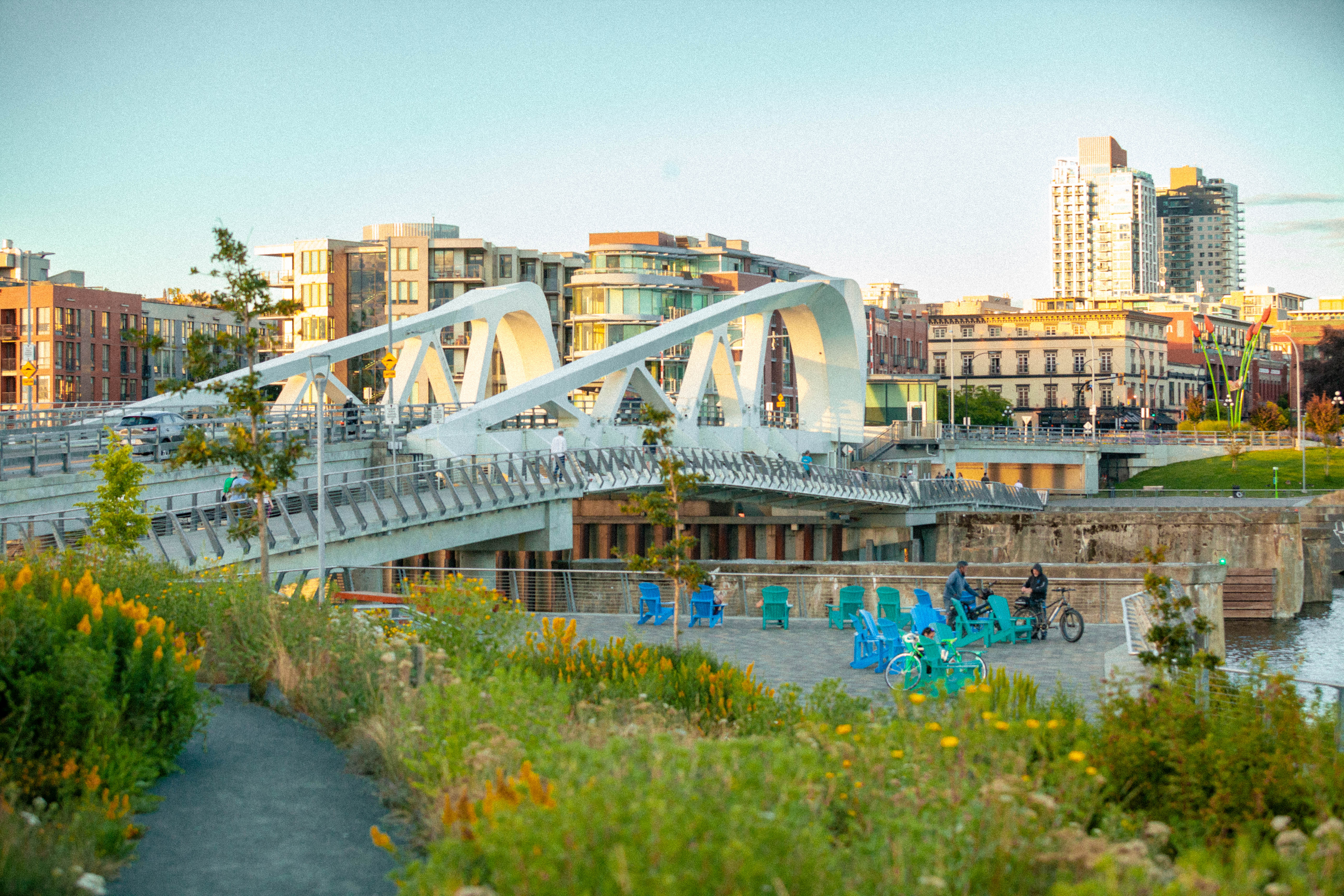
Accessible paths, extensive seating, a timber viewing platform, and connections to the Songhees Walkway and regional trails make the park part of everyday movement through the city. The landscape brings culture, coastal ecology, and public life into the same waterfront journey.
Reconnect the City With Its Waterfront
A Former Roadway Could Become Living Ground
Converting the former roadway created room for a larger, more connected waterfront landscape. The new hillside greenspace supports access, gathering, cultural interpretation, and coastal habitat while strengthening the park’s role in the Inner Harbour.
Let Coastal Ecology Shape the Park
Garry oak maritime meadow, coastal bluff gardens, native planting, rain gardens, and permeable surfaces translate shoreline ecology into an accessible urban park. The planting supports pollinators and wildlife while creating shade, texture, and seasonal change for visitors.
Culture and Landscape in the Same Journey
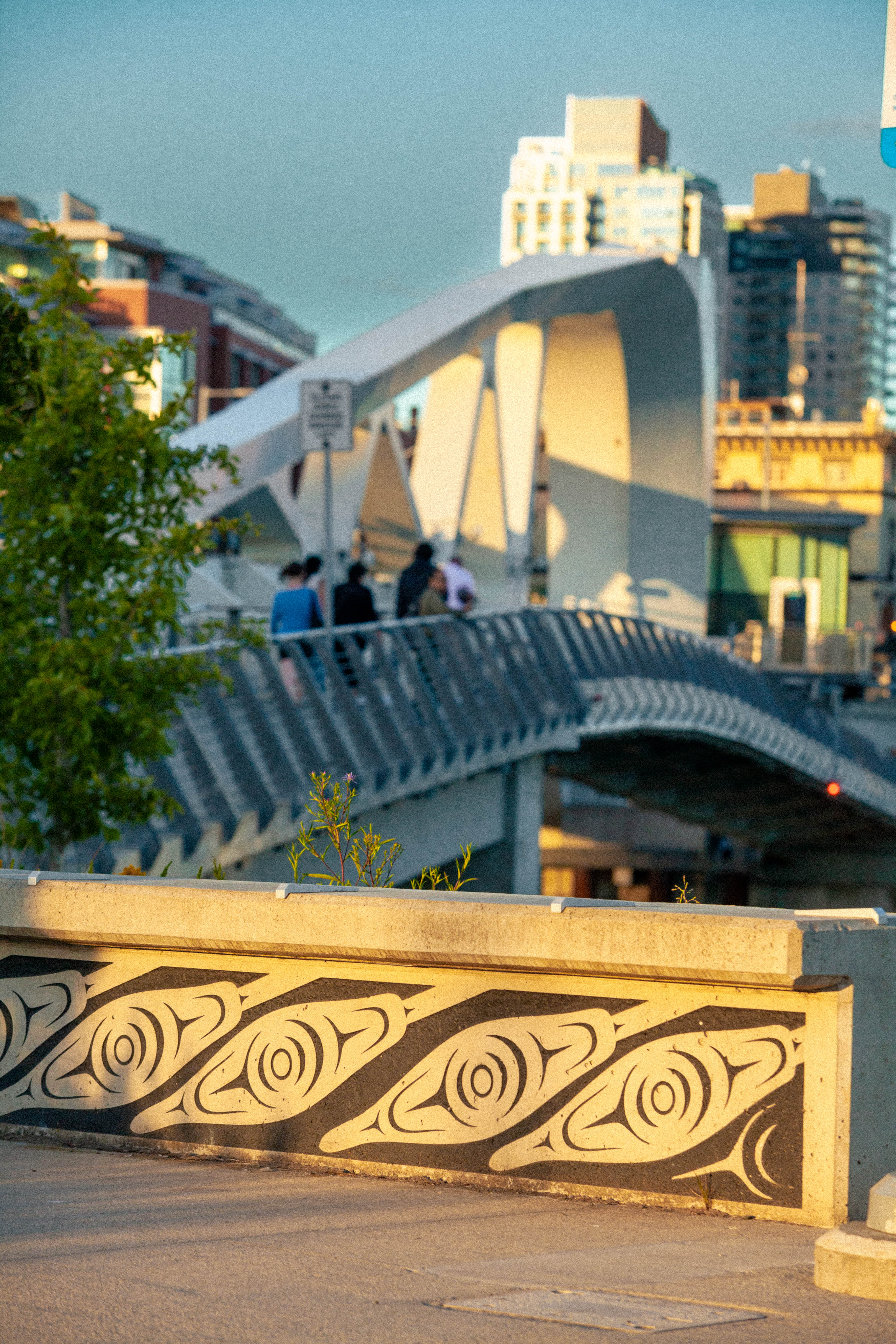
The park was developed through a partnership between the City of Victoria and the Songhees Nation. Lekwungen art and cultural interpretation are integrated with paths, seating, planting, and views so the waterfront experience connects people with both the land and its continuing cultural history.
Strengthen a Waterfront Network
The park connects the Songhees Walkway with the Galloping Goose and E&N regional trails and the Johnson Street Bridge. Its paths, planting, and gathering spaces support walking, cycling, daily recreation, and long-term ecological value along the harbour.
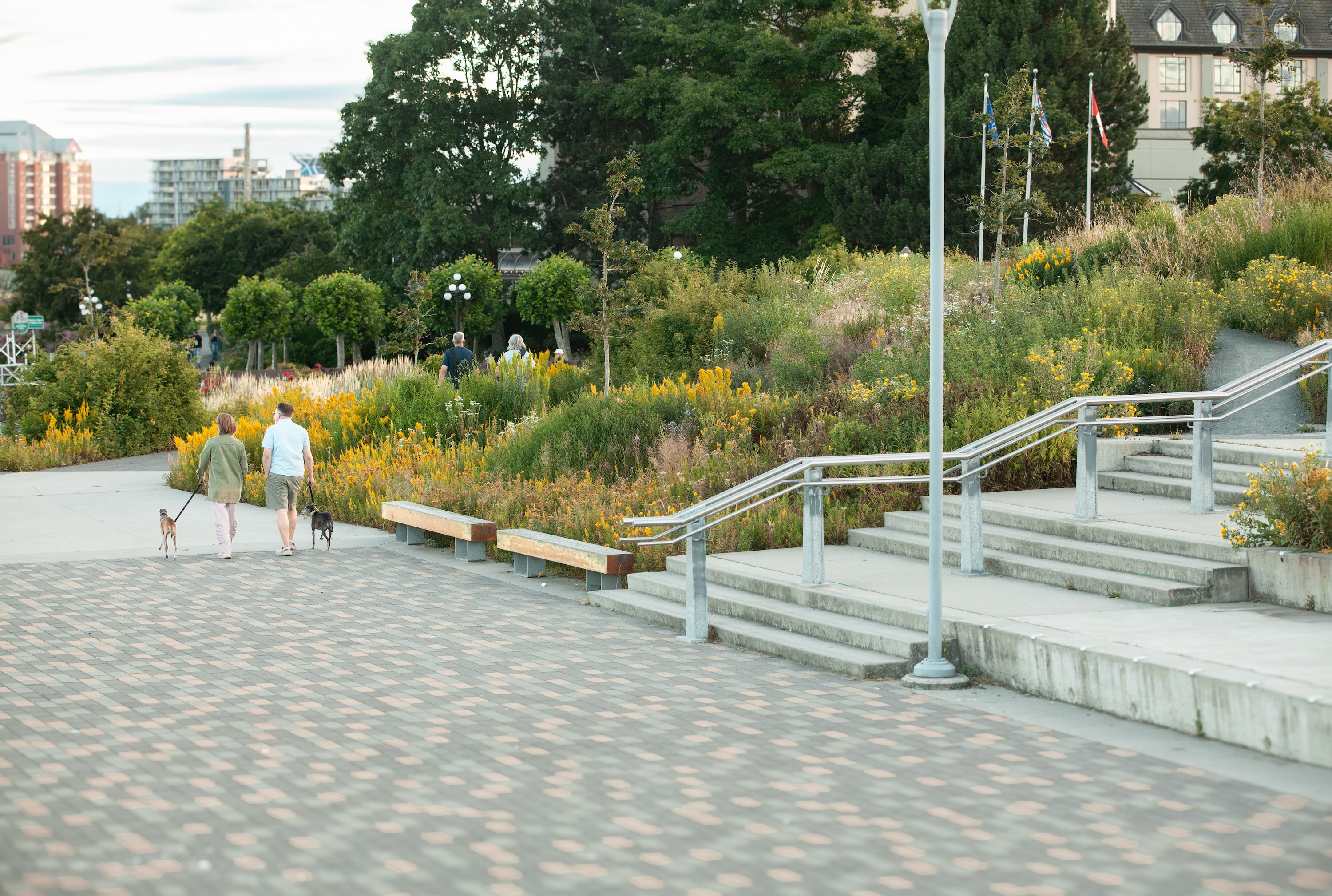
Songhees Park demonstrates how a focused park expansion can replace roadway with a richer public landscape. MDI’s work helps connect people with waterfront ecology, Lekwungen culture, accessible movement, and habitat in a park that is both a destination and part of the city’s wider trail network.