



GNS Junior School
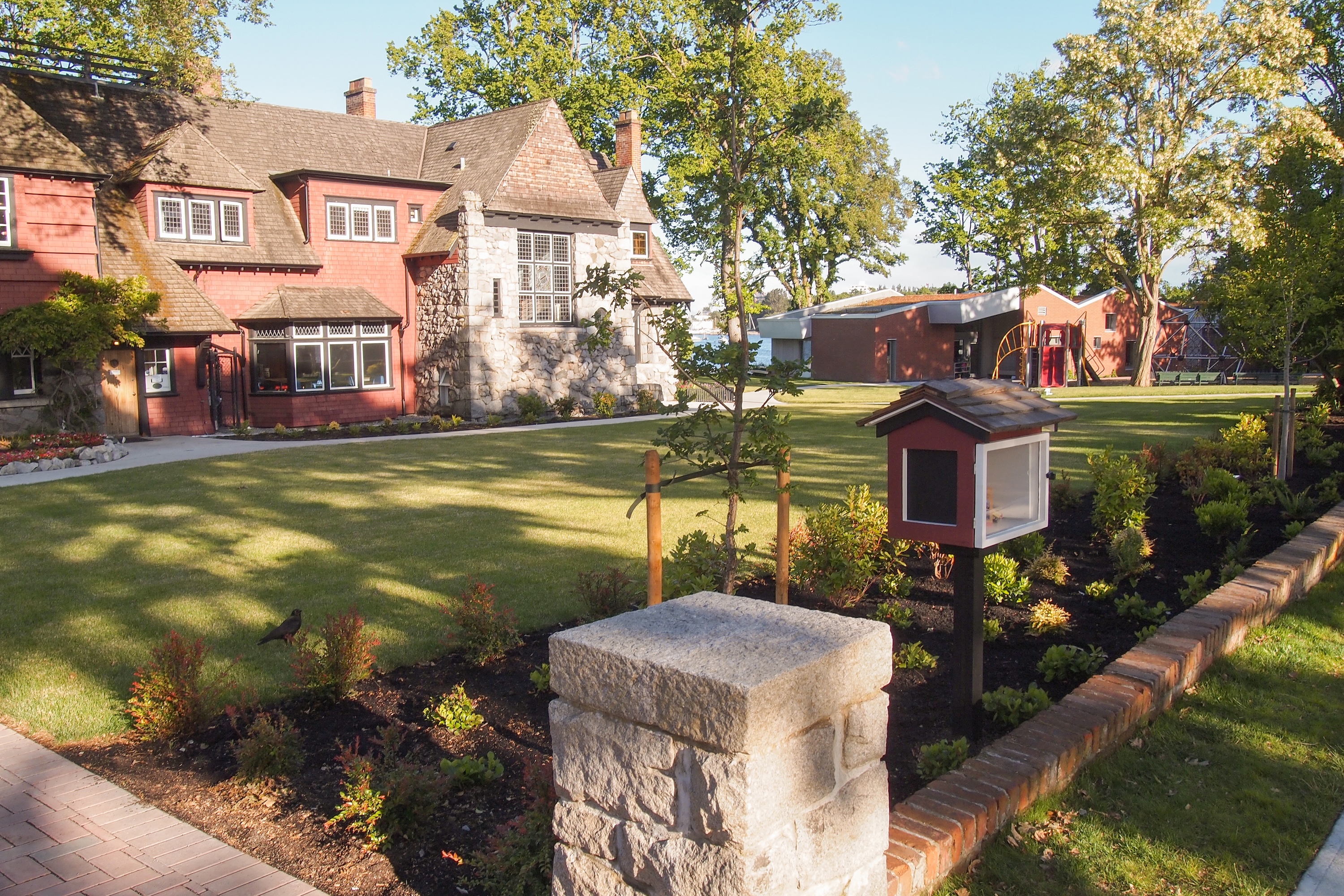
The Glenlyon Norfolk School Junior Campus occupies a distinctive waterfront site in Oak Bay. Working with Low Hammond Rowe Architects, MDI designed the landscape so the beach, ocean, weather, and movement of water become part of the everyday school experience rather than simply a view beyond the campus.
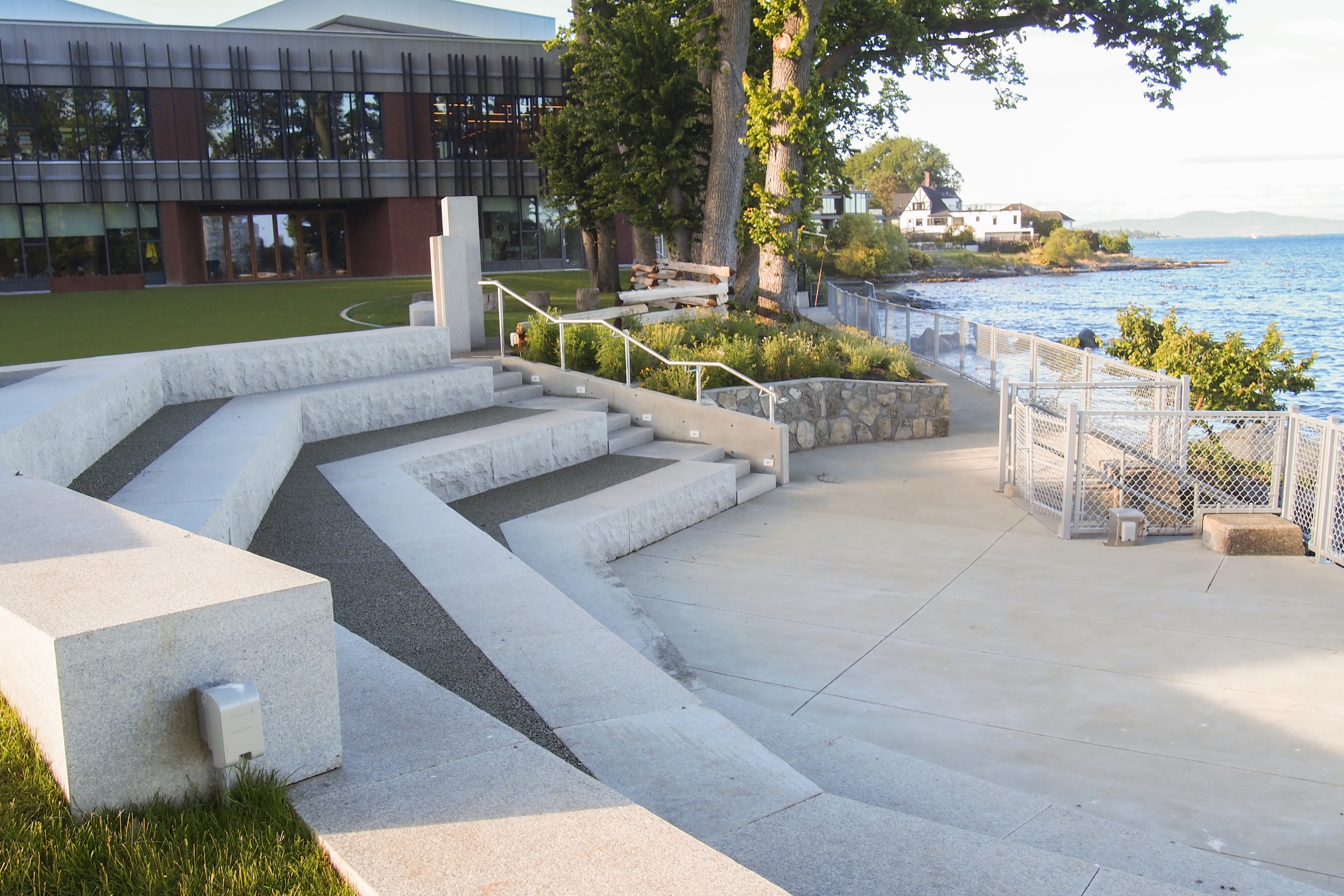
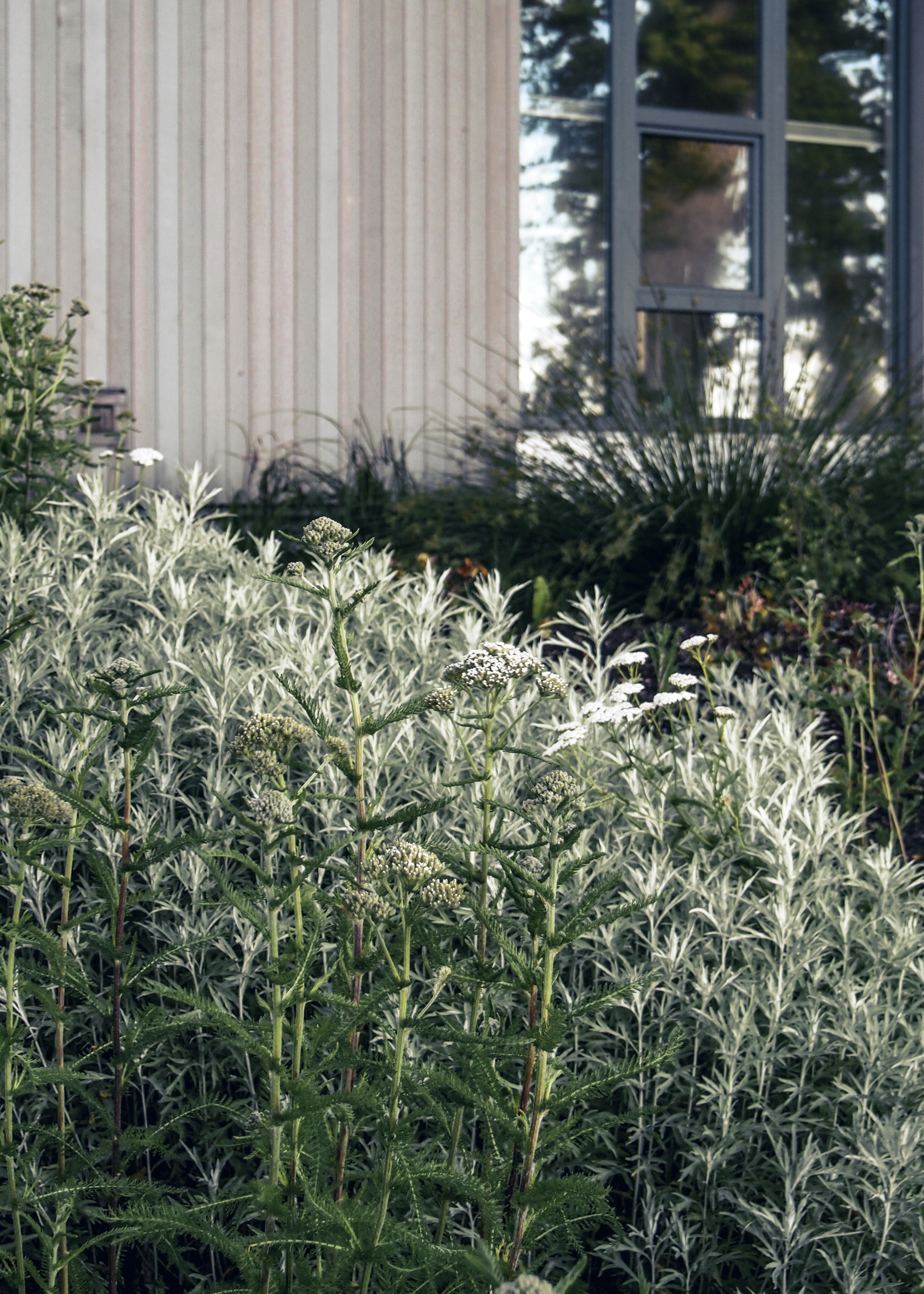
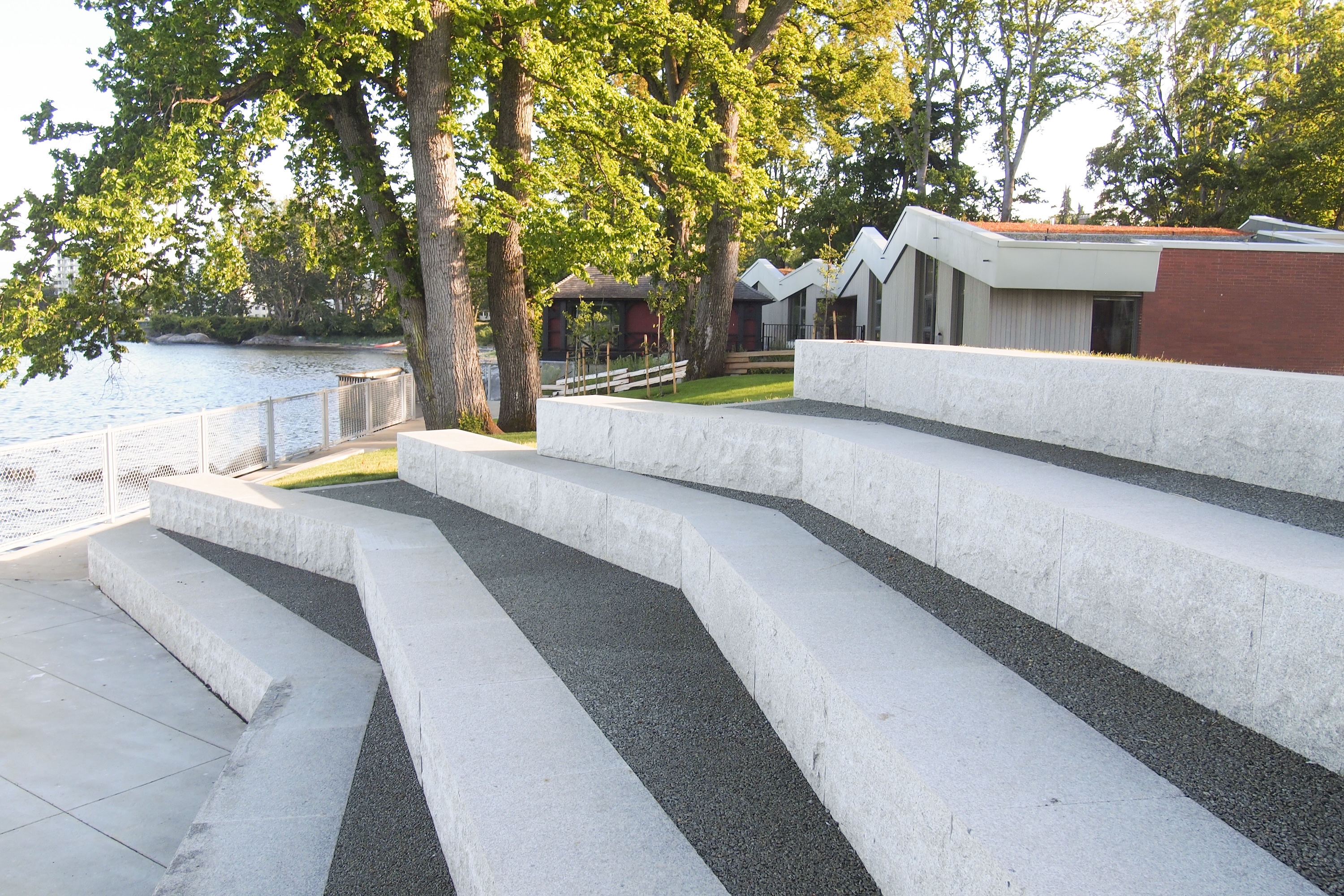
Play areas, amphitheatres, a grassy mound, and an oceanfront walk create places for active play, gathering, teaching, observation, and quiet use. Their placement responds to grades and views while drawing students through different outdoor settings. Granite and brick connect the new work to the historic school buildings, and planting softens the transition to the shoreline.
Rain gardens and permeable brick paving slow and filter runoff before it leaves the site for the marine environment. By making these systems visible within circulation and play areas, the campus demonstrates how landscape can support learning, daily use, and care for the waterfront at the same time.
Make the Landscape Part of Learning
The Waterfront Is More Than a View
The beach and ocean were treated as active parts of the school setting. Outdoor spaces draw students toward the shoreline and create everyday opportunities to notice tides, weather, plants, water, and seasonal change.
Layer Play, Gathering, and Discovery
Play areas, amphitheatres, a grassy mound, and an oceanfront walk provide different ways to use the campus throughout the day. The spaces support movement, teaching, social connection, and moments of quiet observation within one clear landscape.
Let the Campus Show How Water Moves
Rain gardens and permeable brick paving slow and filter runoff before it reaches the marine environment. Integrated with paths and planting, these visible systems make the site’s water cycle part of the landscape students encounter every day.
Care for the Shoreline Next Door
The material, planting, and rainwater strategy responds to a campus where the receiving environment is immediately visible. Durable surfaces and planted treatment areas support daily school use while reducing the impact of runoff leaving the site.
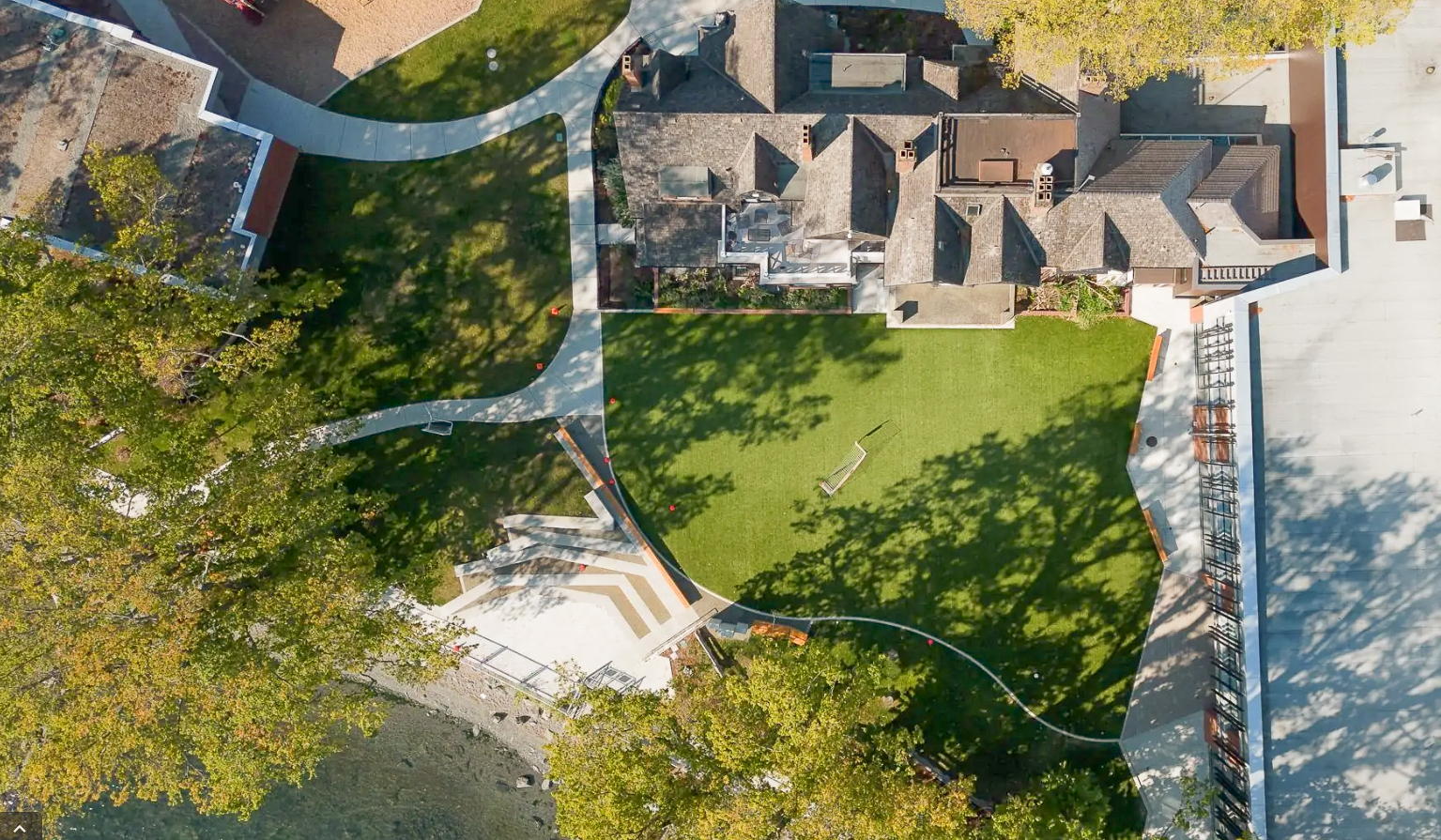
GNS Junior School demonstrates how a campus landscape can teach through experience. MDI connected play, gathering, heritage, rainwater management, and the waterfront in outdoor spaces that work for daily school life while reinforcing care for the natural systems beyond the site.

Similar Projects